|
|
|
|
|
|
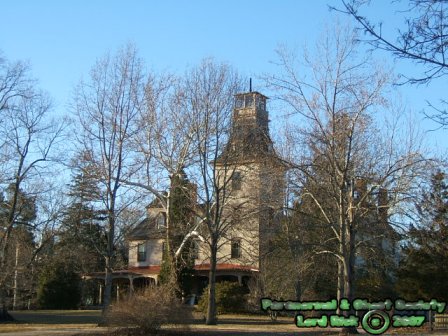
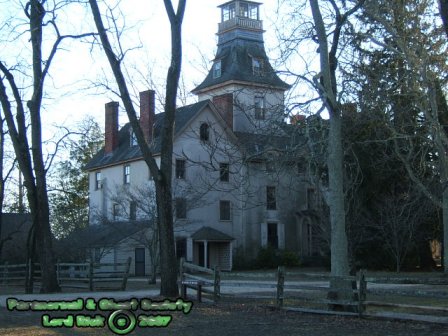
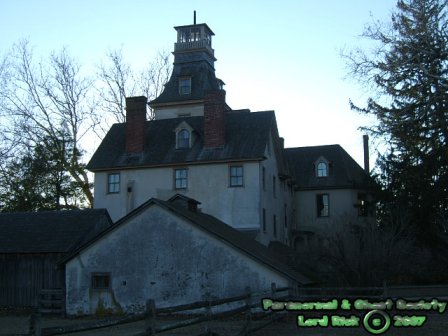
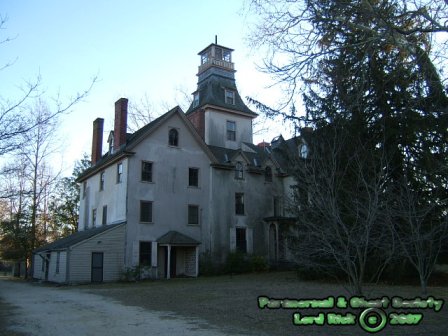
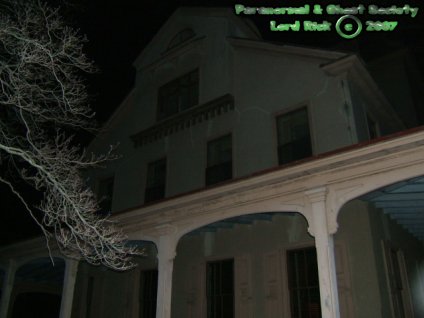
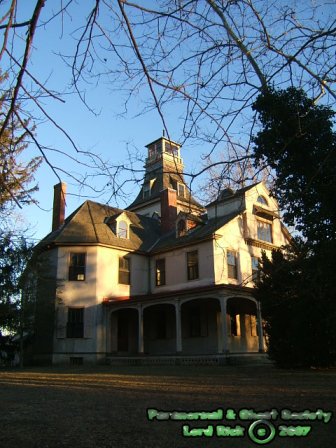
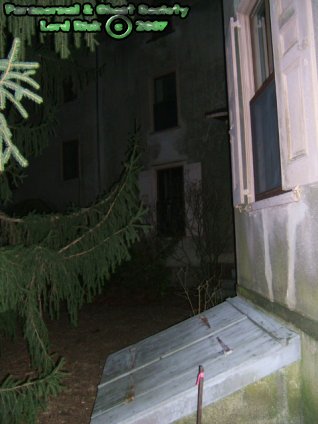
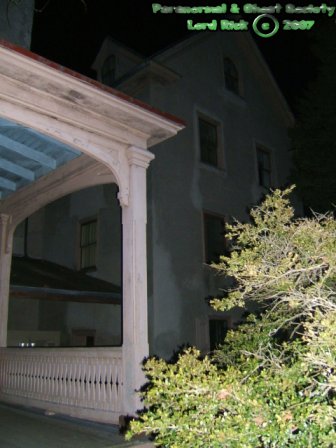
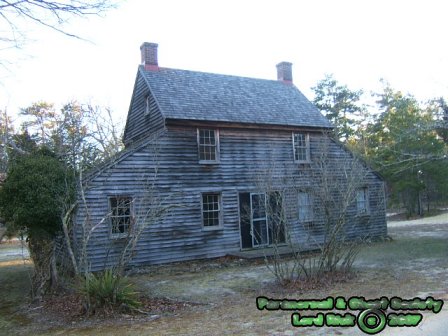
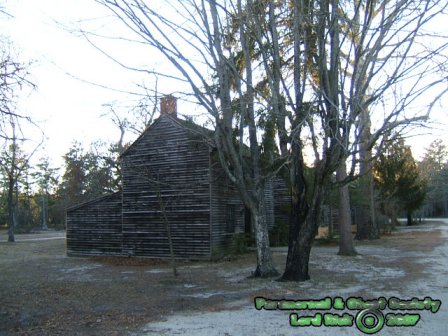
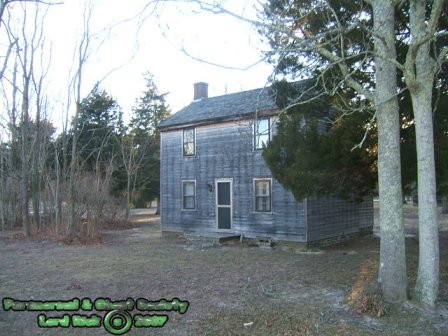
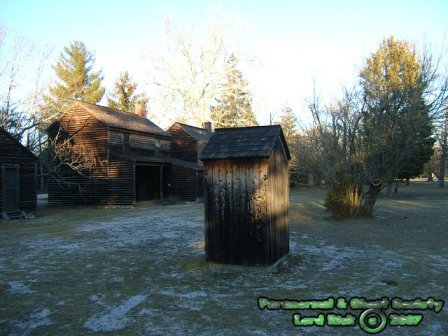
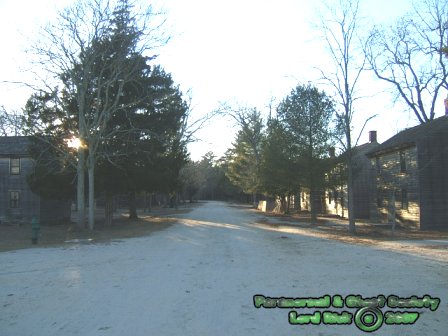
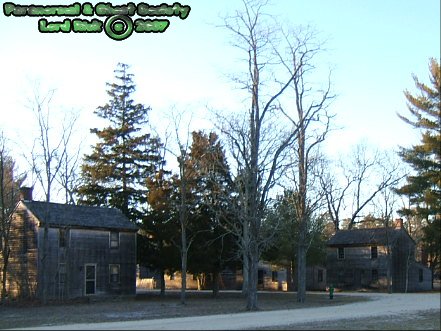
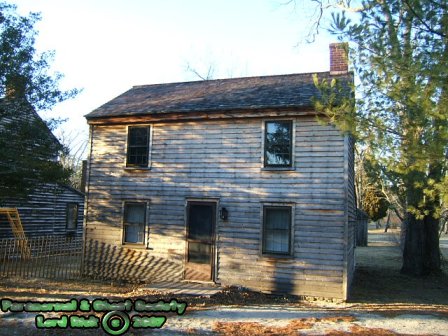
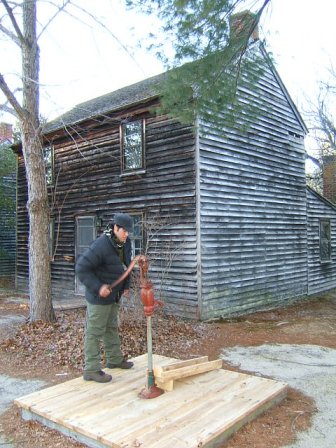
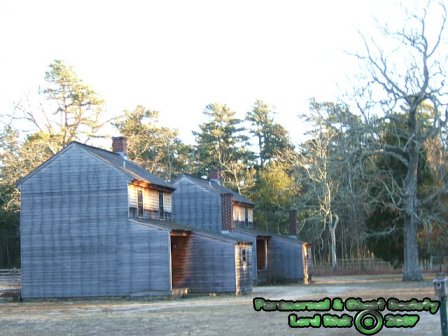
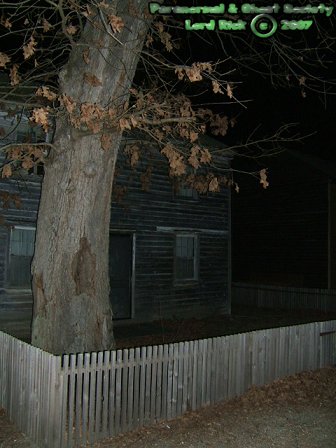
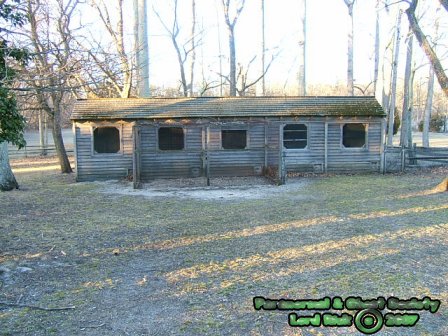
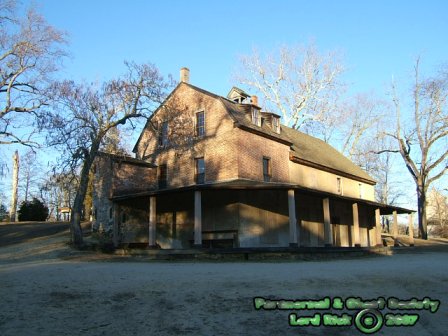
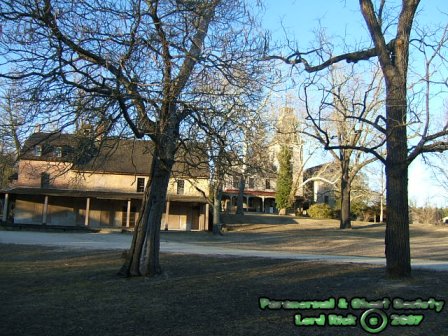
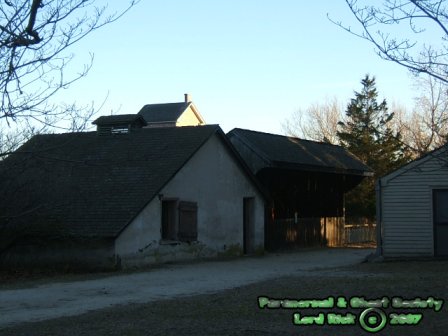
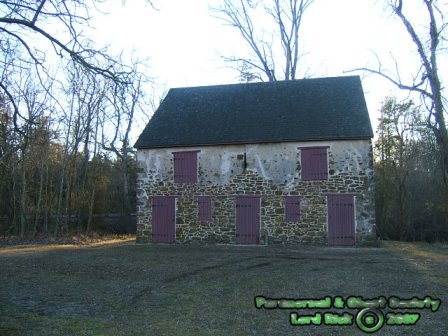
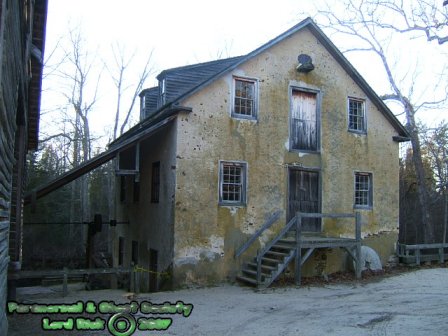
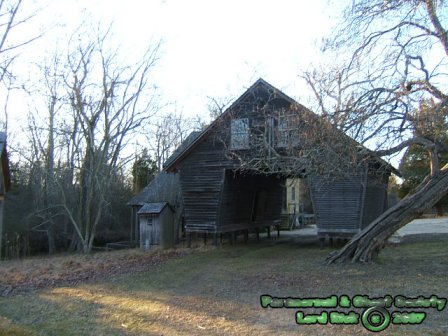
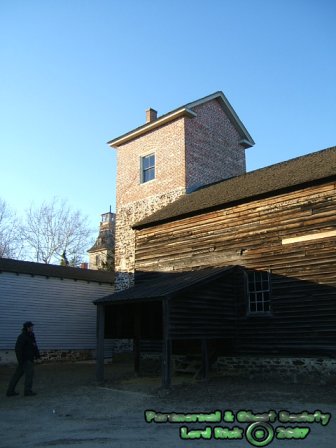
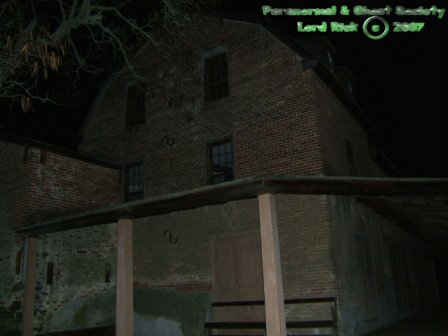
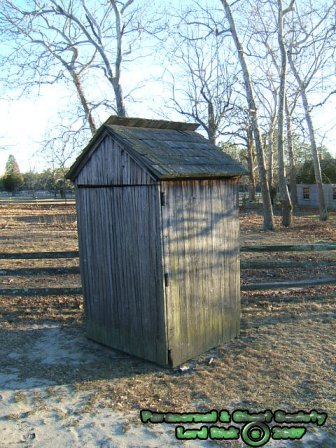
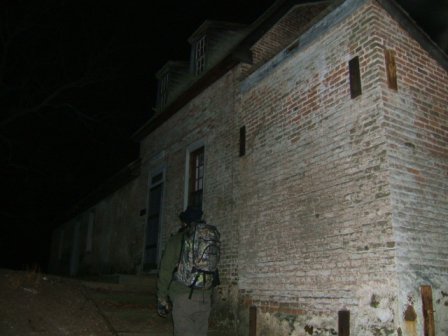
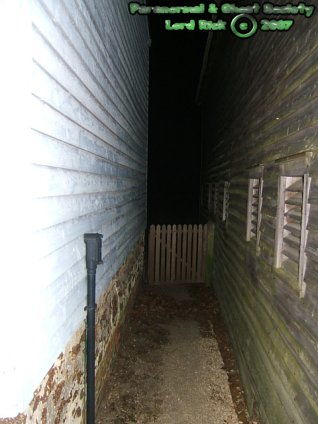
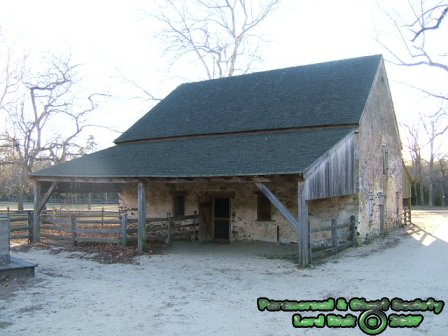
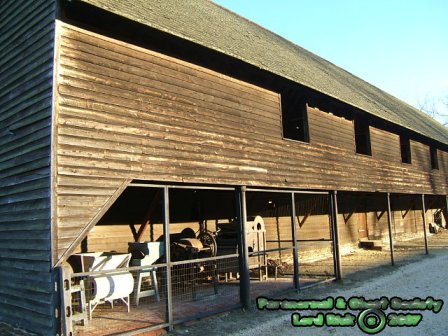
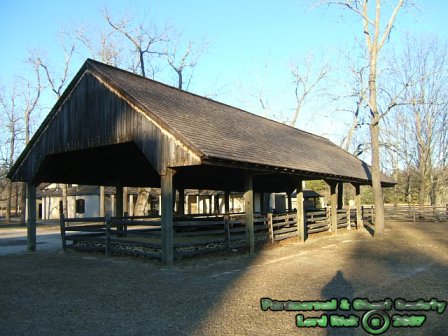
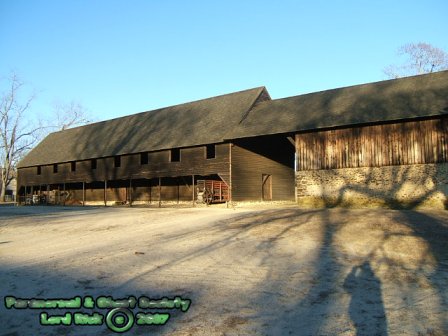
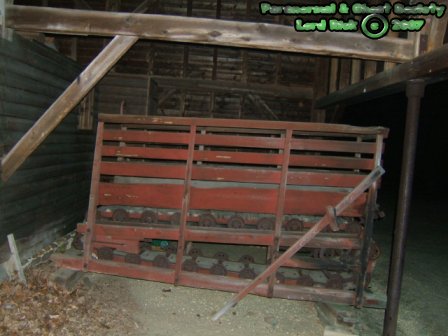
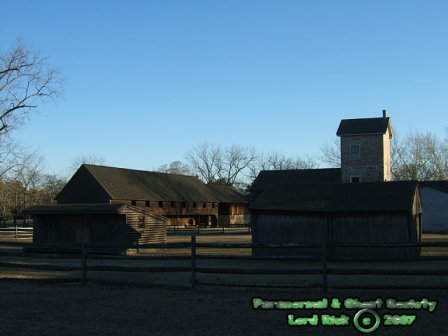
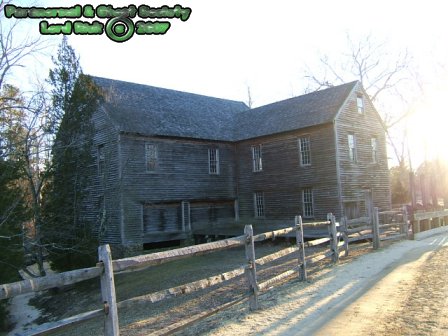
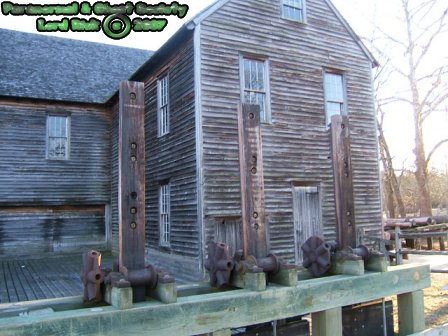
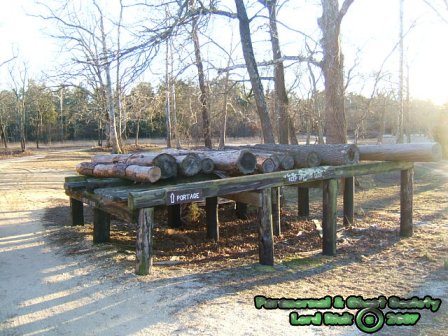
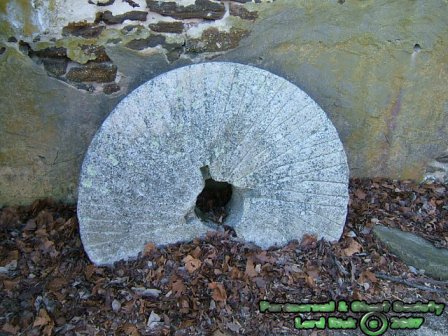
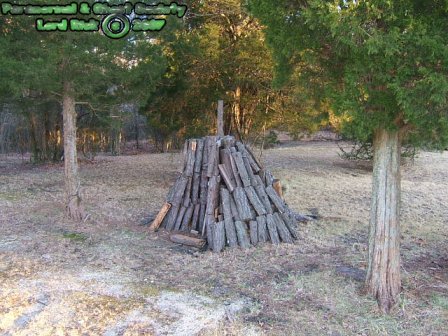
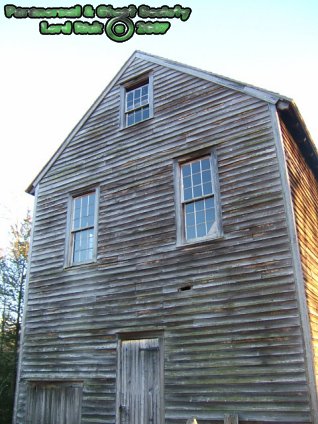
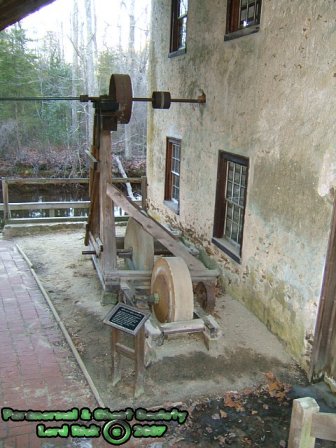
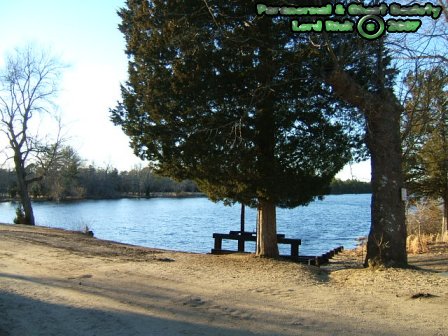
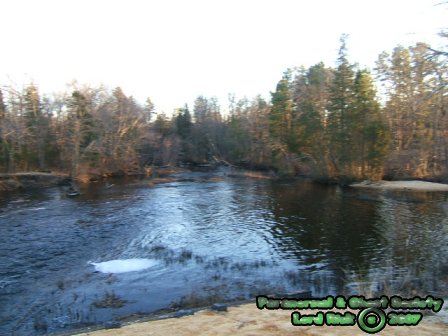
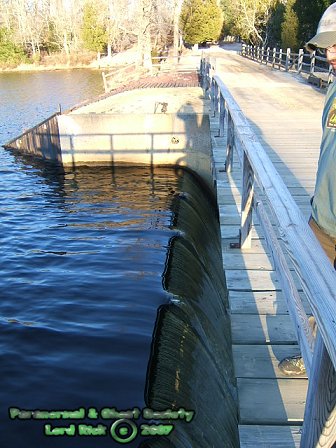
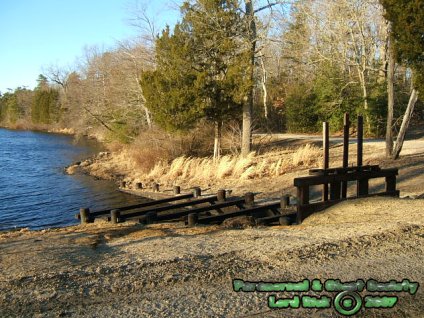
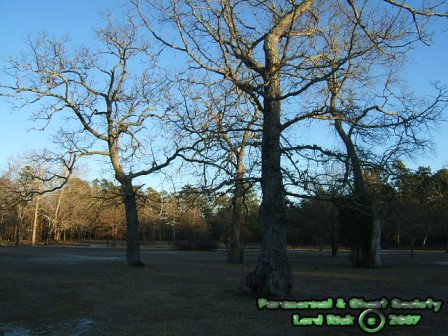
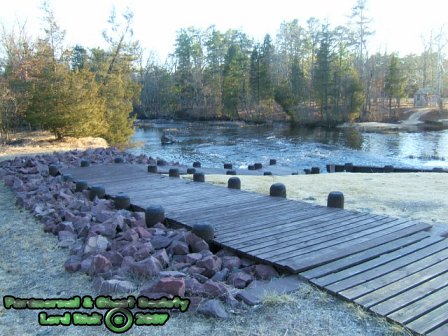
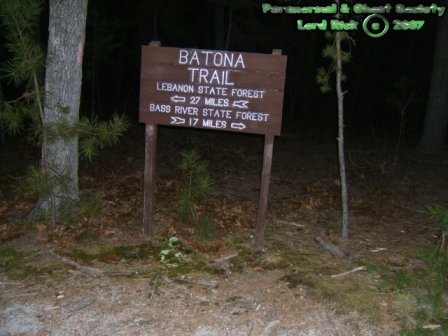
Batsto Village one of the most prominent most historical largest ghost towns in the Pine Barrens is located in the Wharton State Forest area. It was the site of a former bog iron and glass making village. It also was founded in 1766 by one of the most famous iron masters in all of NJ named Charles Reed. The operation of the iron works was constructed on the banks of the Batsto River. The name is Swedish often pronounced as Batstu which means bathing place. The place was known as a prehistoric site and was used by the Lenni-Lenape Indians who bathed here. Like most iron works they changed hands alot sometimes they expanded sometimes they faulted. It was bought by John Cox in 1773 then in 1779 a Joseph Ball. The iron works provided the Continental Army with munitions, kettles, parts for ships and other war materials. Then in 1784 the Iron works were purchased by William Richards which would stay in his family for 92 years as his son then grandson operated it. They were the ones responsible for building most of the town. In the mid 1800s the iron works just about shut down. Many iron works shut down in the Pine Barrens after that most towns began to die or clear out. The town did start a glass works industry but it did not last long. The sand in the area could be melted and formed into glass. Eventually in 1876 the town was purchased by Joseph Wharton. He had built a saw mill and made room for cranberries along with other crops. He ran a forest products and agricultural business here till about 1909. The state forest is named after him of course and its a beautiful part of the Pine Barrens. The town of Batsto was purchased by NJ in 1954. There is around 40 plus sites and structures that can be seen here including the well known Batona Trail, Lake Batsto, Pleasant Mills Cemetery etc which all surround this town. Also here is the site of a 19th century ore boat which was found at the bottom of the lake. There is also a Charcoal Kiln Exhibit showing how it was made here. There is an ice and milk house. The ice would be cut straight from the lake then covered in saw dust it would last the whole year. There is also a stable, dam, black smith, wheelwright shop, gristmill and even a carriage house. In addition to all of this there is a General Store and Post Office which is still in operation. There is also a sawmill and even the Batsto-Pleasant Mills Methodist Church which still has Sermons like two centuries ago. However one of the most famous structures in all the Pine Barrens is the very haunting Batsto Mansion which sits in the very center of town. The town at one time was very self sufficient it has hundreds of people living and working here. The saw mill was used to cut lumber for the homes. The Gristmill was built to process grain. The town had a corncrib and corn was planted along with grain being stored. When products could not be grown they were sold at the general store often containing imports from other nearby towns. The town also had a wagon barn and one for various animals. Orchards and gardens were planted by the workers. They had a piggery for slaughtering the pigs. Since there was nothing to refrigerate the meat an ice house was build. The workers in town walked to the nearby church to pray. The post office was a way for others to keep in touch with family and friends in other nearby towns like Atsion or Whitesbog for example. The blacksmith and Wheelwright played a huge part in the towns success. The town had a watch tower as well and surrounding it the woods provided the villagers with a way for them to also hunt for their food if needed. If you read about a few of the other ghost towns you will notice that some of the names mentioned in their history also are connected to Batsto. Richards and Ball both played a huge part not only in Batsto but other nearby towns as well. Besides the town known for its history which there is more to the area but I wanted to at least cover the basics it is a high area of Jersey Devil Activity. In the last 50 years there have been numerous accounts, reports and encounters with this creature. People have found strange tracks in the woods and heard screams just outside of Batsto Village. A Group of people near Batsto also ran into the creature crossing in front of them. Then others have seen the creature by the lake which is on the edge of town. There is a bridge that actually crosses the river and splits the town up into two different sections. When walking through the town one can actually picture the Jersey Devil jumping roof to roof on the workers cottages. That is just the type of town it is real secluded and at night twice as gloomy. I do believe this is the honest truth that I came my closest with the Jersey Devil in the woods surrounding the town. That night I had a few odd things happen to me during our investigation. I do feel that this is a hot spot and I am glad to bring it to my fans and members. © By Lord Rick Batsto Mansion
Worker Cottages
Village Area
Farming & Production Areas
Scenic Areas Surrounding Village
A Short History
of Batsto Village:
|
|
|
|
|
|
|
|
|
|
|
|
|
|
|
|
|
|
|
|
|